
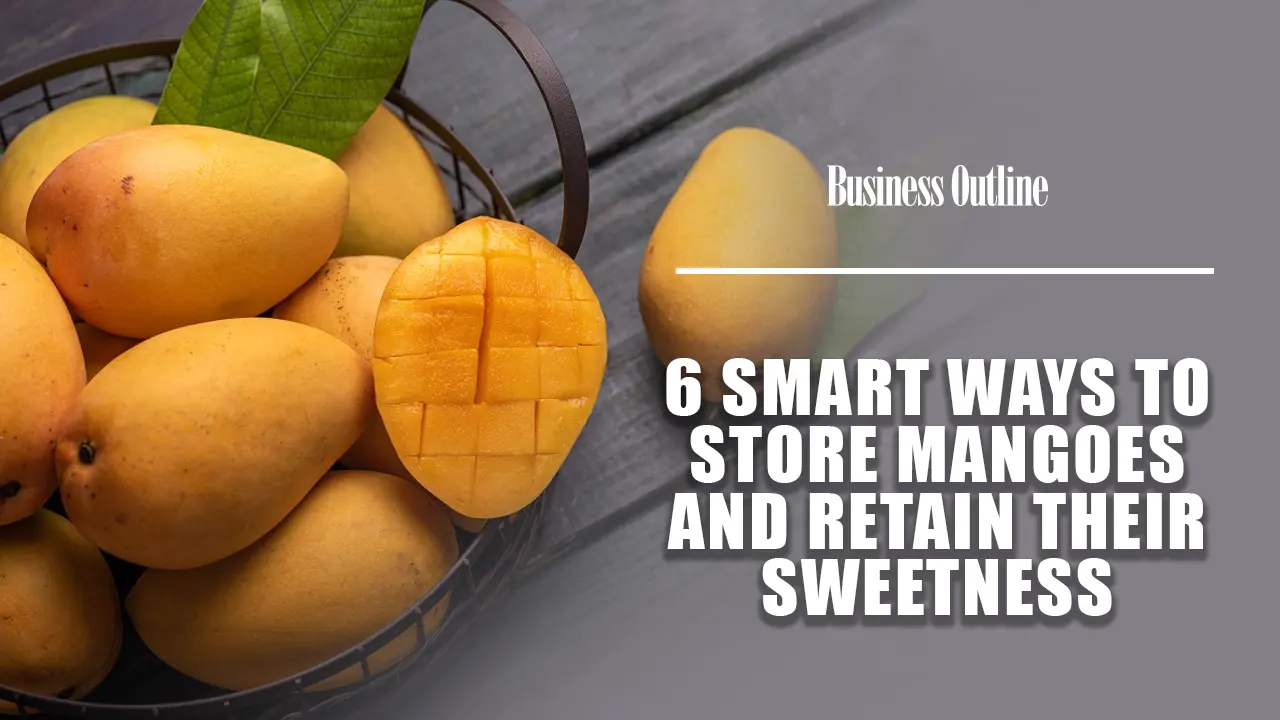
-by Jaya Pathak
Mangoes are one of the few Indian products whose value is measured less by weight than by memory. A buyer may pay a premium for Alphonso, Kesar, Langra, Banganapalli or Imam Pasand, but the real transaction is not completed at the fruit stall, the online checkout page, or the corporate gifting desk.
It is completed several days later, when the knife meets the flesh and the promise of aroma, sweetness and texture is either honoured or wasted. In that moment, the consumer rarely thinks of storage. The blame, if the fruit disappoints, travels backwards to the farmer, the vendor, the platform, even the variety. Yet many mangoes lose their charm after they have already entered the home.
That is what makes mango storage more interesting than it first appears. It sits quietly at the end of a large commercial chain. Orchards invest in timing. Traders gamble on transport. Retailers curate abundance. E-commerce platforms photograph fruit as if it were jewellery.
Families send cartons across cities as a gesture of affection and status. And after all that, a box may be left in a hot balcony, pushed into a refrigerator too early, or sealed in plastic until moisture gathers under the skin. Value, in fresh produce, can be destroyed without drama.
Since most of the city’s supermarkets want to be able to display mangoes at their prime selling point of ripeness, they stash them under refrigeration. Unsold mangoes are not given time to ripen properly and are prematurely cooled to prolong shelf time – an apparent display of stock turnover at the expense of quality.
If mangoes are chilled because of impatience on the consumers’ part to allow them to ripen, they fail to develop the characteristics of ripe mangoes. In as much as it is unreasonable for a piece of fruit in its prime to be stored in a place where it will deteriorate rather than improve, there is no reason either to buy mangoes ripe enough to enjoy when one is not planning to do so at the point of sale.
Heat, however, should not be confused with ripening. This distinction is worth stressing because Indian summers are not gentle collaborators. High heat accelerates the wrong things. The skin may soften quickly while the flesh remains uneven. Bruised patches can begin to ferment.
Sweetness may be present, but it gets buried under sourness, fibre or an overripe smell. Anyone who has bought an expensive box in May and watched it decline in two afternoons understands that mangoes do not reward carelessness merely because they are seasonal.
A good fruit seller knows this instinctively. In old city markets, the best vendors rarely keep all mangoes in one undifferentiated heap. They sort by touch, by colour, by smell, and by the urgency of sale. Ready fruit is moved quickly; firmer stock is held back; damaged pieces are quietly discounted or removed.
The household can borrow this discipline without becoming theatrical about it. Mangoes should be separated according to ripeness. The soft, fragrant ones should not be left to press against firmer fruit for days. One ripe mango can hasten the mood of the entire lot, and a full carton can turn from promise to pressure with surprising speed.
This is not a minor domestic trick. It is inventory management at a very small scale. The firm fruit should be given time. The in-between fruit should be checked without being constantly squeezed into bruising. Many households are careful while buying and careless after purchase, which is an odd reversal.
In the premium mango market, where prices often carry the emotional surcharge of origin and nostalgia, the last mile is not the delivery boy at the gate. It is the dining table.
Refrigeration deserves a more nuanced reputation. It is neither the villain nor the saviour. Once a mango is ripe, gently yielding and aromatic, the refrigerator can extend its useful life by a couple of days. That matters, particularly in metropolitan homes where consumption does not always match buying enthusiasm. A ripe mango placed in the refrigerator can avoid the rapid slide into over-softness. But cold has a cost.
A paper-lined tray or a loosely covered container is better than a sealed bag, usually a breathable basket. This is where the premium fruit business can be faintly misleading. Packaging creates confidence at the point of sale, especially in gifting. A handsome box suggests control. But once the fruit reaches home, air circulation, dryness and gentle handling matter more than the branding printed outside.
The authors consider India’s fresh-produce market highly sophisticated and typically consumer behavior with respect to serious issues like the kinds of fruits they are conversant about, the questions to which they seek answers like the origin, the quality of the produce they are buying. However, they seem to overlook certain issues that seem to be an integral part of the fresh-produce scene in India.
Several poor post-purchase handling practices are common among Indian fruit purchasers. The authors noticed consumers putting a bunch of ripe bananas first in a fruit basket, and lastly next to unripe bananas in a typical Indian market.
Such wrong handling of fruits causes them to ripen much sooner than normal, leading to unpleasantness. In line with this, most consumers have the habit of wrongly refrigerating fruits. Some completely forget to refrigerate cut fruit and cover them as well, causing them to lose their freshness.
Mangoes should be cut only when they are going to be consumed. That is the reason cut mangoes are served in such places. They have the sweetness of mangoes but lack freshness. If possible, cut the mangoes and serve it just before eating. This way you can serve fresh mangoes with its rich taste. If cut beforehand, the inevitable happens and the fresh attractive pieces of fruit start losing their appeal. The lovely fresh fragrance diminishes and edges start browning.
The longer the fruit is stored, the fruit that is not handled properly will begin to break down and sweet become worthless rubbish. However, under ideal conditions, mangoes can be left for a long time. The author proposes six relatives who will be used to ensure good storage. Avoid high temperature or direct sunlight, seek shaded areas protected buyers point.
It is important to achieve proper storage length as long as the temperature is good. Moisture must be controlled. Too warm, it will produce too much moisture. Too cold, it will flow, early freezing. The storage environment should flow. Frozen mangoes and mangoes should be treated realistically. This quality improvement occurs from planting to consumers’ hands, which seeks to maximize raw mangoes.
That is why mangoes continue to be a valuable metaphor in the context of Indian values. They can be expensive at the high end, unforgiving when handled wrongly, and emotional and/or seasonal. They reveal the boundaries of branding and the need for stewardship. A carton can be gently moved hundreds of kilometres and then destroyed by careless kitchen workers.
A small, well-crafted basket can provide more enjoyment than a fancy box used as an adornment. The future of fresh fruit market needs not only improvement of orchard production, cleaner logistics, and sharper retailing practices but also the consumers’ awareness of the shared responsibility for quality. The mango is sweet inside. The sweetness may be a choice after the purchase is made, depending on how it is decided.
Read more: