
–By Jaya Pathak
Twenty years ago, buying anything online felt risky. You’d hand over your credit card to a complete stranger and hope the product actually showed up. Most items took weeks to arrive. Now? You order something at 10 PM and it shows up by Thursday. You buy things from sellers she’s never met and trusts them completely. This transformation happened because a few companies figured out the real problem wasn’t technology—it was trust and speed.
Amazon’s Simple but Brutal Strategy
When Bezos started Amazon, people laughed. A bookstore online? Why would anyone do that when Barnes and Noble existed? The answer surprised everyone: because he didn’t care about making money immediately.
For years, Amazon lost money. Investors got angry. Bezos ignored them. He had one obsession: if someone could get a book in two days instead of waiting in traffic, going to a store, and hoping they had the right edition, they’d use the service again. Not because books were cheaper—they weren’t. But because their time mattered more than a few rupees.
The company also made another smart move. It started with books, then added everything else. But more importantly, it built AWS—Amazon Web Services. This is basically renting computer power and data storage to other companies. It sounds boring. It generates over 100 billion dollars a year. Retail loses money sometimes. AWS always makes money. This is why Amazon can afford to take risks in retail that competitors can’t.
Alibaba’s Gamble on Trust
Jack Ma’s story is completely different. In the 1990s, China had plenty of small factories which were making goods. Textiles, electronics, machinery—you name it. But these factories couldn’t sell internationally. They had no way to reach buyers in other countries. Meanwhile, businesses worldwide had no way to find cheap suppliers in China.
Ma did something crazy. He built a website and asked factory owners to join for free. Completely free. No membership fees. Nothing. In a country where most people had never bought anything online, he asked manufacturers to put their products on this random website.
Ma created a rating system. Factories that delivered good goods got marked as reliable. Factories that didn’t got marked as unreliable. This simple thing—letting previous buyers review sellers—created confidence. People started using Alibaba.
Later, Ma realized different customers want different experiences. Taobao is for people looking for deals. Tmall is for people buying luxury goods where they want authenticity. Same company, two completely different platforms. One customer gets rock-bottom prices from small sellers. Another customer gets guaranteed authentic luxury goods from verified stores. This is incredibly smart because it means one company can dominate multiple market segments.
What Flipkart Understood About India
In 2012, India was different from America or China. Most small businesses couldn’t ship reliably across the country. If you sold something in Delhi and a customer in Bangalore ordered it, you had a real problem. Delivery companies were slow. Packages got lost. Customers waited weeks. This was the massive barrier stopping e-commerce in India.
Flipkart’s founders looked at this problem and thought: we need to own delivery. Not outsource it. Own it completely.
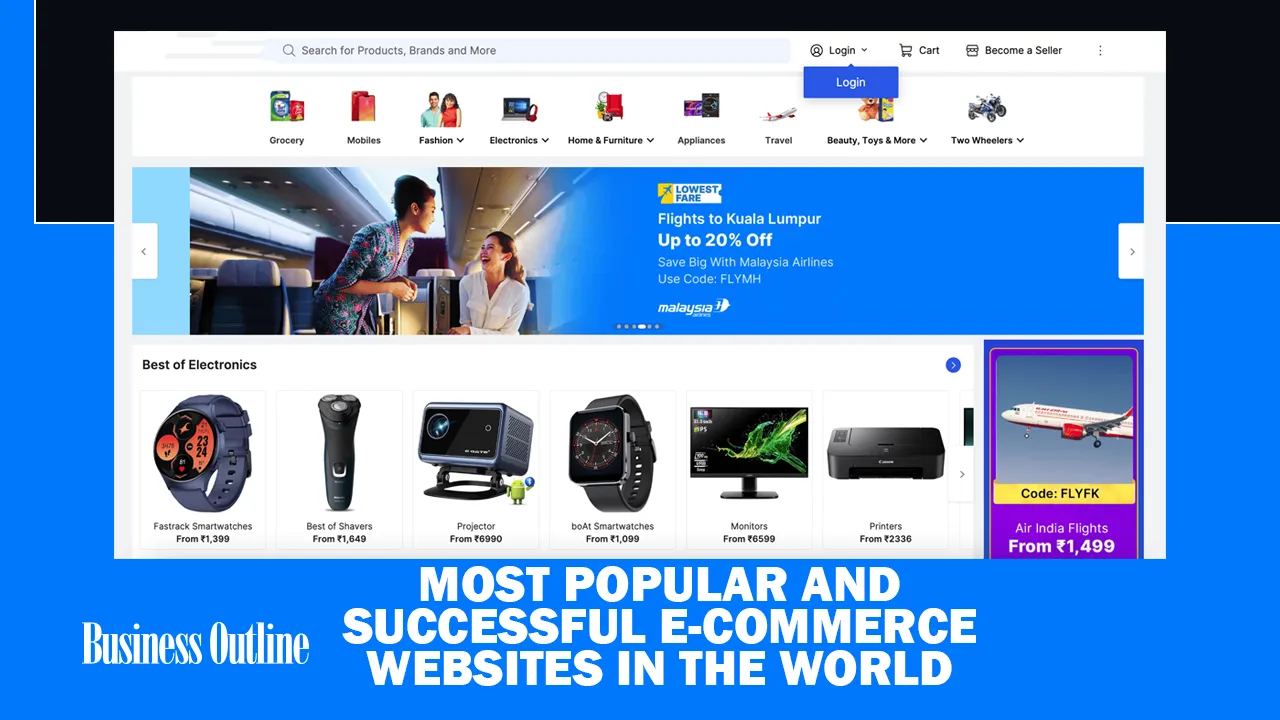
They created Ekart. This company now delivers 6 million packages a day across India. That’s not a small number. That’s more deliveries than most countries get in a month. How did they do it? They studied what works. They invested in local warehouses. They hired people. They created software to optimize routes. Most importantly, they promised speed. Two days. They kept that promise.
eBay’s Unexpected Second Act
For twenty years, eBay was the king of online marketplaces. Then Amazon got big. Everyone thought eBay would die. But something interesting happened. eBay noticed people wanted to buy used things. Refurbished items. Vintage stuff. Places like Amazon focus on new products. eBay started promoting the second-hand market.
This move was strategic. Younger people care about sustainability. They don’t want to throw away old electronics. They prefer buying used clothes rather than always new. eBay positioned itself as the place for “pre-loved” goods. This is a real market. It’s growing. eBay owns it.
The Real Pattern
If you look at these four companies, they seem completely different. Amazon owns everything. Alibaba owns nothing. Flipkart owns delivery. eBay owns the platform. But they share one thing: each company identified what their specific customers actually needed and built to solve that. The global e-commerce market is now worth about 6.4 trillion dollars. That’s about 20 percent of all retail spending. In China, it’s actually 20 percent of their retail.
The fact is quite interesting that around 77% of the entire global population is accessing e commerce platforms using their phones. Growing markets such as Philippines, Thailand and Ecuador are showing the annual growth in the ecommerce platform of around 15 to 20%. They are not saturated markets, rather they are just getting started and henceforth, companies are already positioning themselves here.
FAQs
Q1: How much shopping happens online these days?
One-fifth of all retail. In rich countries, it’s higher. In developing countries, it’s lower. By 2028, it’ll be 22 percent.
Q2: Which country owns e-commerce?
China dominates completely. Chinese people do 20 percent of their shopping online. Americans do 10 percent. Chinese companies built the biggest platforms. They have the most customers. They make the most money. E-commerce is basically a Chinese invention at this point.
Q3: Why does Amazon own delivery but Alibaba doesn’t?
Different problems. America was built for cars and highways. Getting packages across America requires owning trucks and warehouses. China has manufacturing hubs everywhere. Alibaba just needed to connect factories to buyers. Alibaba made money faster with less capital. Amazon made a strategic choice to own the experience. Both work in their contexts.
Q4: What made Flipkart special in India?
It solved the real problem. India’s delivery infrastructure was broken. Flipkart fixed it by building Ekart. This gave them an advantage no competitor could match quickly. When delivery works perfectly, everything else is secondary. Flipkart understood that.
Q5: Can eBay survive against Amazon?
Already is. eBay positioned itself in used goods and collectibles where it has advantages. It is smaller than Amazon but still it is growing and a profitable business. It’s finding a segment you can own completely.
- Read more: Top Business Magazine